
You’ve dedicated years to mastering the science and art of orthodontics, building a practice that reflects your commitment to patient care and beautiful smiles. But as you well know, your success isn’t solely defined by your clinical expertise. It’s a complex ecosystem, where every element, from the moment a potential patient hears about you to the final retainer check, contributes to your practice’s health. This article isn’t just about marketing; it’s about understanding how your entire business operates as a cohesive unit, and how investing in your most valuable asset – your staff – is the bedrock of sustained growth and profitability.
You might think of staff training as an expense, a necessary evil, but I urge you to reframe that perspective. Consider it an investment with an exponential return. Your team members are the face of your practice, the architects of your patient experience, and the engines driving your operational efficiency. Without a well-trained, motivated, and supported team, even the most brilliant marketing strategy will falter.
The Power of Proactive Onboarding
The journey to a high-performing team begins long before the first patient interaction. Your onboarding process isn’t just about paperwork; it’s about integration, instilling your practice’s values, and laying a strong foundation for success.
- Setting the Stage for Success: From day one, new hires should understand your practice’s mission, vision, and the specific role they play in achieving it. This goes beyond job descriptions; it’s about connecting their daily tasks to the broader impact on patient outcomes and practice growth.
- Essential Compliance and Safety Training: You know how critical this is. Comprehensive training on OSHA regulations, HIPAA compliance, and proper orthodontic instrument sterilization isn’t just about avoiding penalties; it’s about protecting your patients and your team. The AAO staff training resources, emphasizing these very topics with recorded lectures for CEUs, are invaluable here. Make sure your team understands the “why” behind these protocols, not just the “what.”
- Immersive Shadowing and Mentorship: Pairing new team members with experienced, high-performing colleagues provides invaluable hands-on learning and immediate feedback. This isn’t just about technical skills; it’s about learning the nuances of patient interaction, problem-solving, and adapting to your practice’s unique rhythm.
Continuous Development: Beyond the Basics
The world of orthodontics is constantly evolving, and so too must your team’s skills. Stagnation is the enemy of progress. Continuous development ensures your practice remains at the forefront of innovation and patient care.
- Embracing Digital Workflows: The Dentsply Sirona’s 2026 North America Orthodontic Symposium highlights the increasing importance of digital workflows. Your team, especially treatment coordinators and clinical assistants, needs to be proficient in these technologies. Hands-on training in digital scanning, treatment planning software, and digital record-keeping is no longer optional; it’s essential for efficiency and accuracy.
- Enhancing Patient Communication and Treatment Acceptance: Your treatment coordinators are often the first impression a patient has, and their ability to effectively communicate treatment plans and address concerns is paramount. Workshops focusing on empathetic communication, active listening, and understanding patient motivations, as seen in the Dentsply Sirona symposium, can significantly boost your case acceptance rates.
- Mastering Insurance Coding and Billing: This is often a pain point for practices. Investing in specialized training for your administrative staff on the latest insurance coding practices can minimize denials, optimize revenue cycles, and reduce patient frustration. The AAO 2026 Annual Session’s inclusion of insurance coding speaks to its ongoing relevance.
In the ever-evolving field of orthodontics, staff training and development play a crucial role in ensuring that practices remain competitive and provide the highest level of care. A related article that explores innovative strategies for enhancing staff training can be found at this link. By implementing effective training programs, orthodontic practices can improve team performance, boost patient satisfaction, and ultimately drive practice growth.
Strategic Marketing: Attracting and Engaging Your Ideal Patients
Once your internal operations are optimized through a stellar team, you’re ready to effectively market your practice. Marketing isn’t a one-time event; it’s an ongoing, multifaceted strategy that adapts to patient needs and technological advancements.
Leveraging Digital Dominance
In today’s world, a robust online presence is non-negotiable. Your potential patients are searching for you online, and you need to be easily found, compellingly presented, and readily accessible.
- Optimizing Your Online Footprint: This starts with a professional, mobile-responsive website that clearly showcases your services, your team, and patient testimonials. Search Engine Optimization (SEO) is crucial here – making sure your website ranks high in local searches for “orthodontist near me.”
- Harnessing the Power of Social Media: Social media isn’t just for personal updates; it’s a powerful tool for patient engagement and education. The AAO 2026 Annual Session’s focus on AI for social media marketing indicates the sophistication now required. You should be regularly posting engaging content, before-and-after photos (with patient consent), educational videos, and behind-thescenes glimpses of your practice. Encourage your team to participate in content creation, sharing their expertise and personalities.
- Online Reviews and Reputation Management: In the digital age, your online reviews are your digital storefront. Encourage satisfied patients to leave reviews on Google, Yelp, and other relevant platforms. Actively monitor these reviews and respond professionally to both positive and negative feedback. Your responsiveness demonstrates your commitment to patient satisfaction.
Building Community Connections
While digital marketing is vital, don’t underestimate the power of local engagement and traditional relationship building.
- Referral Networks with General Dentists: Cultivating strong relationships with local general dentists is a cornerstone of many successful orthodontic practices. Host open houses, offer complimentary CE courses, and ensure clear communication channels for seamless patient referrals. Your team’s professionalism and efficiency in handling these referrals directly reflect on your practice.
- Community Outreach and Education: Sponsoring local school events, participating in health fairs, or offering free dental screenings can raise your practice’s visibility and demonstrate your commitment to the community. Consider having your well-trained team members present on oral hygiene or the benefits of orthodontic treatment at local schools.
- Patient Referral Programs: Happy patients are your best advertisers. Implement a patient referral program that rewards existing patients for spreading the word about your practice. Word-of-mouth marketing remains incredibly powerful.
Driving Operational Efficiency and Patient Satisfaction
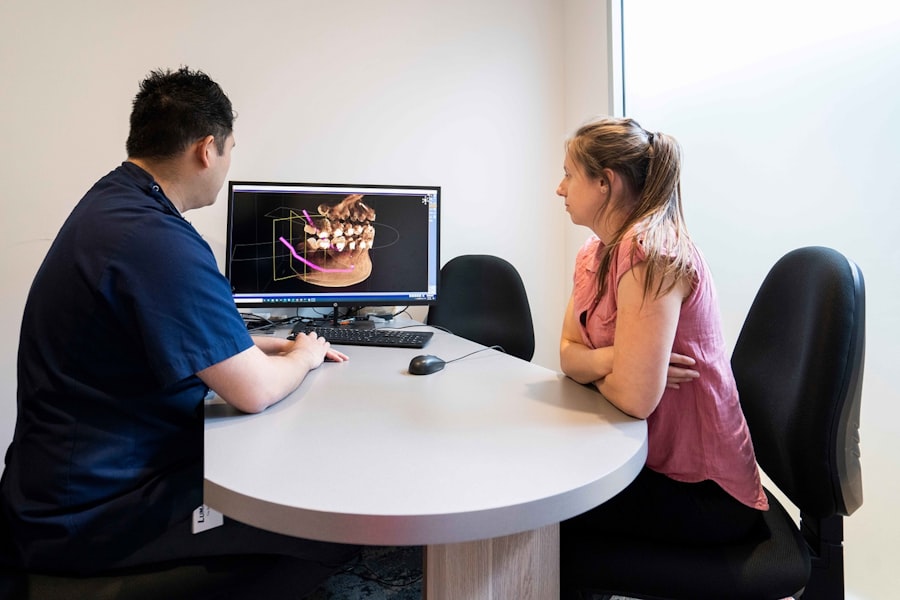
Beyond clinical excellence and effective marketing, the day-to-day operations of your practice significantly impact its success. This is where your trained team truly shines, transforming good intentions into exceptional patient experiences.
Effective staff training and development are crucial for the success of any orthodontic practice, as they ensure that team members are equipped with the latest skills and knowledge to provide exceptional patient care. For those looking to enhance their training programs, an insightful article can be found at this link, which discusses innovative strategies that can be applied in various healthcare settings, including orthodontics. By investing in the continuous education of staff, practices can improve efficiency and patient satisfaction, ultimately leading to better outcomes and a stronger reputation in the community.
Streamlining Practice Management with Technology
Modern orthodontic practices leverage technology to enhance efficiency, reduce errors, and improve patient flow.
- AI-Powered Practice Management Systems: The AAO 2026 Annual Session highlights the emergence of AI-powered practice management tools. These systems can automate appointment scheduling, billing, insurance verification, and even patient communication, freeing up your team to focus on more complex tasks and direct patient interaction.
- Smartphone Clinical Photography: High-quality clinical photography is essential for diagnosis, treatment planning, and patient education. Training your clinical team on efficient and effective smartphone clinical photography, as highlighted in the AAO 2026 session, can save time and improve the consistency of your records.
- Digital Workflow Management: The Dentsply Sirona symposium emphasizes digital workflow management. This includes everything from digital impression taking and 3D printing of aligners to electronic charting and integrated communication platforms. Ensuring your entire team is proficient in these digital tools is key to a smooth and efficient practice.
Fostering a Culture of Excellence and Accountability
Your practice culture is the invisible force that shapes every patient and staff interaction. A positive, supportive, and accountable culture directly correlates with patient satisfaction and staff retention.
- Regular Culture Check-ins: Broader dental training guidance for 2026 emphasizes regular culture check-ins. These aren’t formal reviews; they’re informal opportunities to gauge team morale, address concerns, and celebrate successes. This shows your team you value their input and well-being.
- Ongoing Mentorship and Feedback: Mentorship isn’t just for new hires. Establishing a culture of ongoing mentorship, where experienced team members guide and support their colleagues, fosters continuous learning and professional growth. Regular, constructive feedback, both formal and informal, is vital for improvement.
- Empowering Digital Team Building and Standardized Protocols: As highlighted in the latest trends, digital team building around standardized protocols, with lead-plus-backup ownership for critical tasks, is crucial. This reduces knowledge loss, improves consistency, and empowers your team members to take ownership of their responsibilities. Imagine a seamless patient handover between front desk and clinical staff because everyone follows the same, clearly defined protocol.
Adaptability and Future-Proofing Your Practice
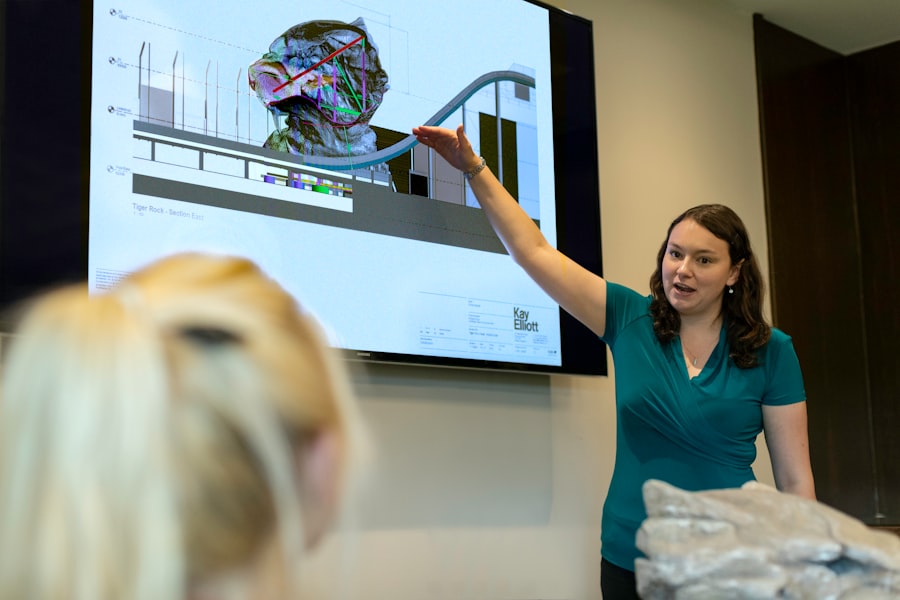
The landscape of orthodontics is constantly changing, driven by technological advancements, evolving patient expectations, and new treatment modalities. Your ability to adapt and innovate will be a key differentiator.
Staying Ahead of the Curve with New Technologies
You’ve already seen how AI is impacting various aspects of practice management and marketing. Embracing new technologies isn’t about chasing every fad, but strategically integrating tools that genuinely enhance patient care, efficiency, and communication.
- Exploring Emerging Orthodontic Technologies: Keep an eye on advancements in areas like personalized orthodontics, AI-driven diagnostics, and even virtual consultations. Your team should be educated on these emerging trends, even if you’re not immediately implementing them.
- Updating Training Materials Regularly: Broader dental training guidance for 2026 stresses the importance of updating training materials to reflect new technologies and best practices. As you adopt new software or techniques, ensure your training modules are revised to reflect these changes.
Investing in Your Team’s Long-Term Growth
Beyond immediate technical skills, investing in your team’s long-term professional development contributes to higher job satisfaction and lower turnover.
- Tiered Cadence of One-on-One Check-ins: The shift towards shorter, recurring one-on-one check-ins (weekly 15-minute, monthly 30-minute, and quarterly 60-minute conversations) is a powerful trend. These regular touchpoints allow for focused feedback, goal setting, and addressing individual professional development needs.
- Professional Development Opportunities: Support your team’s desire for continuing education, whether it’s through online courses, workshops, or industry conferences. This not only enhances their skills but also demonstrates your commitment to their career growth.
Your orthodontic practice is a dynamic entity, and your success is a direct reflection of how effectively you manage its many moving parts. By recognizing the intrinsic link between staff training, strategic marketing, and operational excellence, you’re not just building a practice; you’re cultivating a thriving enterprise that consistently delivers exceptional patient care and achieves sustainable growth. Invest in your team, empower them with knowledge and tools, and watch your practice flourish.
Ortho Practice Align by Opus >
FAQs
What is staff training and development in orthodontic practice?
Staff training and development in orthodontic practice refers to the process of providing education and skill-building opportunities for the staff members working in an orthodontic practice. This includes training on clinical skills, customer service, practice management, and other relevant areas to improve the overall performance of the practice.
Why is staff training and development important in orthodontic practice?
Staff training and development is important in orthodontic practice as it helps to ensure that the staff members are equipped with the necessary knowledge and skills to provide high-quality patient care, improve practice efficiency, and enhance patient satisfaction. It also contributes to staff retention and motivation.
What are the common areas of staff training and development in orthodontic practice?
Common areas of staff training and development in orthodontic practice include clinical skills such as orthodontic techniques and procedures, patient communication and customer service, practice management, infection control, and compliance with regulatory requirements.
How is staff training and development typically conducted in orthodontic practice?
Staff training and development in orthodontic practice can be conducted through various methods such as in-person workshops, online courses, on-the-job training, seminars and conferences, and mentorship programs. Some practices may also utilize external training resources and consultants.
What are the benefits of investing in staff training and development for orthodontic practice?
Investing in staff training and development can lead to improved patient outcomes, increased staff productivity, enhanced practice reputation, better staff morale, and ultimately, a more successful and sustainable orthodontic practice. It also helps to keep the staff updated with the latest advancements in orthodontic care.